
 â
â
TL;DR
- Regularly check the dipstick for low levels or dark, sludgy oil condition. Dashboard warnings, like the oil pressure light, signal insufficient oil, requiring urgent action.
- Low oil causes dangerous friction, signaled by metallic knocking or grinding sounds. Reduced performance, overheating, or blue exhaust smoke also require immediate attention.
- Get expert Subaru oil change in New York at Koeppel Subaru, your go-to Subaru service center!
-----
As a proud Subaru owner navigating the dynamic streets of New York City, you rely on your vehicle’s legendary resilience and all-wheel drive capabilities, especially during harsh Queens winters. However, even the most durable Subaru requires diligent maintenance to perform optimally and avoid expensive repairs. Engine oil is an essential fluid that keeps your vehicle operating smoothly. Without proper lubrication, the moving engine parts grind together, causing friction, heat, and corrosion, which can rapidly lead to engine failure or breakdown, significantly shortening your vehicle's lifespan.
Understanding the symptoms of low oil in engine is crucial for preventing disaster while commuting through Long Island City, Brooklyn, or Manhattan. When engine oil levels drop too low, or the oil degrades, your car will display several distinct warning signs. Ignoring these signs can transform a simple top-up or a routine Subaru oil change into a catastrophic mechanical failure.
The Essential Function of Engine Oil
The primary function of engine oil is to lubricate the moving components within your engine. This lubrication reduces friction, which in turn minimizes wear and tear on essential parts. Oil also plays a vital role in regulating engine heat. If your oil level drops too low, the lack of fluid circulation causes the engine temperature to rise dramatically. This overheating is a dangerous situation that demands immediate attention.
Regular maintenance is key to ensuring your Subaru’s engine health. An expert mechanic inspects your vehicle regularly to catch small problems before they escalate into larger, more expensive issues. Consistent car service helps you avoid major expenses related to critical parts like the engine, battery, or brakes down the line.
Immediate Visual Symptoms of Low Oil in Engine
The most direct and easiest way to check your vehicle’s oil health is through manual inspection. This practice is fundamental to recognizing the early symptoms of low oil in engine.
Low Oil Level on the Dipstick
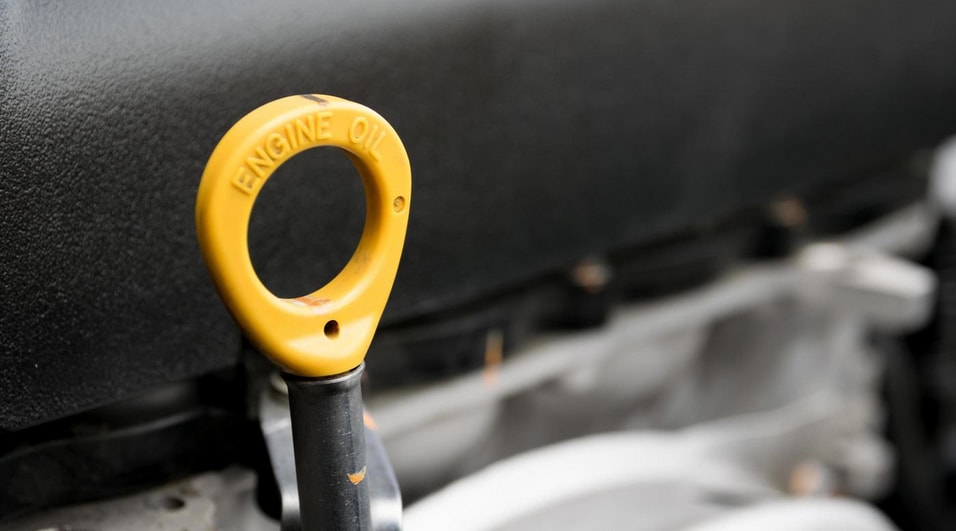
This is the clearest indicator that your engine needs attention. You should make it a habit to check your oil every few weeks, and certainly before taking any long trips outside of New York. To check the oil level accurately, park your Subaru on level ground and allow the engine to cool down. Locate the dipstick, remove it, and wipe it clean with a cloth. Reinsert the dipstick fully, pull it out again, and observe the oil level. If the oil registers below the minimum line, a top-up is necessary. If you notice that your oil frequently needs topping up, this may indicate a more serious underlying issue, such as a leak, which requires professional inspection.
Oil Color and Consistency
When you check the oil level with the dipstick, pay close attention to its appearance. Clean engine oil usually appears amber or golden in color and possesses a smooth, oily texture. If the oil you pull out is excessively dark, sludgy, or gritty, it suggests that the oil has degraded and simply topping it up will not suffice. In this situation, you need to schedule a full Subaru oil change with a qualified mechanic.
Warning Lights
Modern Subaru vehicles are equipped with sophisticated systems designed to alert you to problems. An illuminated oil pressure light on your dashboard is a critical sign demanding immediate attention. This light usually signals that the oil pressure is low, typically a result of insufficient oil volume in the system. If this light appears while you are driving near the Tri-State area, you must pull over safely, switch off the ignition to prevent damage, and check your oil levels right away.
Another warning signal is the "Check Engine" light or a light specifically indicating "Oil Change" depending on your Subaru model. While the "Check Engine" light is not exclusively oil-related, low oil levels can certainly be the cause. If you check the oil and top it up but the light remains, visit Koeppel Subaru service center for thorough diagnosis. Remember, never rely solely on dashboard lights to inform you of low oil; regular manual checks are always necessary.
Auditory Symptoms of Low Oil in Engine
Your engine relies on oil to ensure all components move together smoothly. When lubrication fails, metal-on-metal contact occurs, leading to distinct and troubling noises.
Knocking or Ticking Sounds
Insufficient lubrication is a common reason your engine might begin to knock. Strange clunking or rapping noises coming from beneath your bonnet could signify engine parts colliding because there is not enough oil to cushion and lubricate them. If you hear knocking or tapping, pull over as soon as it is safe and check your oil levels immediately. A sharp banging noise often indicates that the engine rod may have already broken due to lack of oil and is now striking components under the hood. This demands adding oil and repairing the engine rod without delay.
Screeching or Grating Noises
Similar to knocking, a metallic screeching or grinding noise indicates severe metal-on-metal contact happening inside your engine. If left unattended, this grinding contact creates intense friction that rapidly wears out internal components and can cause the engine to overheat and ultimately break down. Any unusual sounds are unmistakable symptoms of low oil in engine that require urgent action.
Performance Indicators
The degradation or lack of oil will manifest directly in how your Subaru performs, especially when you need responsive power while merging onto a busy New York City highway.
Poor Acceleration
If your acceleration feels sluggish, or you notice a sudden reduction in engine performance, low oil might be the culprit. Oil is responsible for ensuring all engine components move seamlessly. When oil levels are low, this process slows down, leading to a delayed response when you press the accelerator. Additionally, insufficient oil causes the car to work much harder and risks grinding down internal gears.
Increased Engine Temperature
An overheating engine is always a serious concern that must never be ignored. Engine oil is one of the key systems that helps regulate heat. If the oil level drops too low, the resulting friction and lack of cooling fluid will cause the engine to overheat, which is visually indicated by a rising temperature gauge. If your car is overheating, pull over safely and turn off the ignition to prevent further damage.
Exhaust Smoke
If you observe excessive white or blue smoke billowing from your tailpipe, do not ignore it. This type of smoke can signal that engine oil is burning. This may be caused by low oil levels or internal issues related to worn engine components. If you notice abnormal smoke, you should seeking professional help from a mechanic to diagnose the underlying problem.
Expert Care at the Koeppel Subaru Service Center
If you observe any potential symptoms of low oil in engine or if your routine maintenance date is approaching, you should rely on experienced professionals.
Koeppel Subaru is your local expert Subaru service center, conveniently located in Long Island City, serving drivers across Queens, Brooklyn, and Manhattan. Our mission is focused squarely on putting your satisfaction first. We employ expert technicians who are factory-certified and efficient, ensuring that we make the most of your time when you bring your vehicle in for service.